
Soft Technology
Good design is actually a lot harder to notice than poor design, in part because good designs fit our needs so well that the design is invisible.
The Design of Everyday Things by Don Norman focuses on the interaction between people and technology and emphasizes the need to understand human behavior in the design of technologies. There are hard technology concepts, but also soft technology (human-centered) principles that can be equally or more important. It isn't the specifications of a technology that are important but the designed user experience that offers a virtuous feedback cycle during use that encourages different and better behaviors.
Norman's book covers human-centered design understood though observation of people, arguing that great designers produce pleasurable fondly remembered experiences, where cognition and emotion are linked and discoverable in designs. He further exposes 7 fundamental principles of design: discoverability, feedback, conceptual model, affordances, signifiers, mappings and constraints. Feedback informs results and allows new states to be observed, the conceptual model allows information about the devices state and results of actions and constraints guide actions and ease understanding of the device.
Thinking along these lines, I would like to cover two personal technology experiences and how they are related: my two cars and my two laptops.

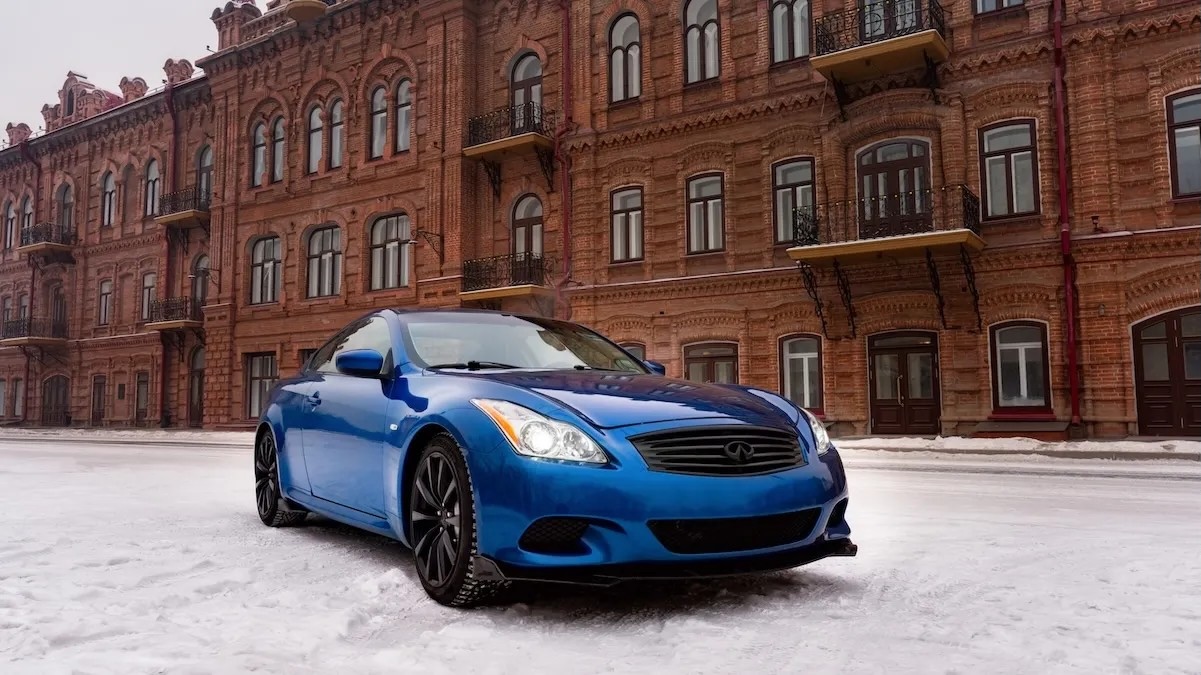
I own two cars: a 2011 Infinity G37x and a 2013 Lexus CT200h. I call the Lexus a "yuppie Prius" when describing it. It has slightly lower MPG than its Prius cousin, a nicer interior, a similar hybrid system and offers a the same (low-powered) driving experience. The Infinity has a first cousin as well, and it is a Nissan 370z, a young man's street racer. Like the Nissan, the G37x has an oversized, high-revving sport tuned V6. The Infinity can reach 60 Mph in about 5 seconds while the Lexus might get there in 10. And with the Infinity, no matter what I tell myself beforehand, I simply cannot drive it slowly or sanely. I've tried. Conversely, I can only seem to drive the Lexus efficiently and leisurely. Why?
The Infinity directly maps pedal to power and immediate feedback. The exhaust is aftermarket and loud. Even in rain, the AWD system slips and then grips in a way to enhance a rear wheel biased sport car feel. The Lexus does none of this. Pushing the pedal down immediately does little, the hybrid system considers its actions, and if engine power is needed the motor winds up comparatively slowly. Flooring the Lexus makes me worry about hurting it. Braking charges the battery, allowing an MPG gamification promoting calm and efficient vehicle use.
I also have two laptops which, like my cars, are different in design, feedback, feel and ultimately result in a different experience. I have a brand-new Dell XPS 14 with Nvidia and Intel silicon. It's fast, makes noise when non-trivial apps are in use (via active cooling) and allows me to install 20 years of x86 based software (software, CAD, games, …) on it. My other laptop is a 4-year-old MacBook Air M1 (ARM based) with 16GB of RAM. The Macs operating system and architecture limit both my application options and computing experience.

Launching Visual Studio on the Dell within minutes it warm and whirling. I've spent years working in quiet environments with the Apple and I find this both alarming and distracting. I feel periodically disturbed by what the device is doing and wonder what's hogging power and then fixate on how to stop it. So, I end up on my Mac again. There is no fan in the MacBook Air, afforded by the design around its ARM-based processor. The Dell is years newer, but I don't experience any perceived slowdown in performance on the Mac (remember Moore's Law?) for software development, and solid modeling. The lack of audible feedback keeps me driving smoothly and efficiently.
ARM grew up from mobiles into a wonderful productivity device. I wouldn't go back to driving a non-hybrid car for commuting, and now I can't apparently go back to an x86 PC for everyday use.
And…Dell offers an XPS13 with a Qualcomm processor now. And the latest ARM based Microsoft Surface Laptop I also hear great things about…